Brand Logo

How it works

A guided multichannel workflow with sensible pauses

HeyReach helps founders, SDRs, and agencies translate an ICP into research, a connection approach, and an approved follow-up sequence. The method keeps evidence and platform constraints visible.

Guided LinkedIn outreach workflow illustration

Choose the help you need

Account and profile research

Start with explicit firmographic and technographic criteria, exclusions, and geography. Ask for public signals and retrieval dates rather than an unexplained list. A profile match can be incomplete, outdated, or ambiguous, so the agent should label inference and preserve unknown fields.

Connection-note preparation

Use approved evidence to write a short reason for connecting. Avoid pretending the sender knows the recipient, inferring sensitive traits, or using a generic compliment. A human checks identity, relevance, tone, platform rules, and whether contact is appropriate before any request is sent.

Follow-up sequencing

Prepare channel, timing, purpose, and stop conditions without treating a generated sequence as authorization. The operator sets rate limits, working hours, suppression, opt-out, and reply handling. LinkedIn, email, and CRM actions may have different terms, permissions, and regional obligations.

Review and measurement

Record approved, revised, rejected, sent, delivered, replied, and opted-out states separately. Measure relevance and reviewer time alongside delivery outcomes. No workflow guarantees replies, pipeline, account safety, or compliance; results vary with market fit, evidence, sender reputation, behavior, and platform enforcement.

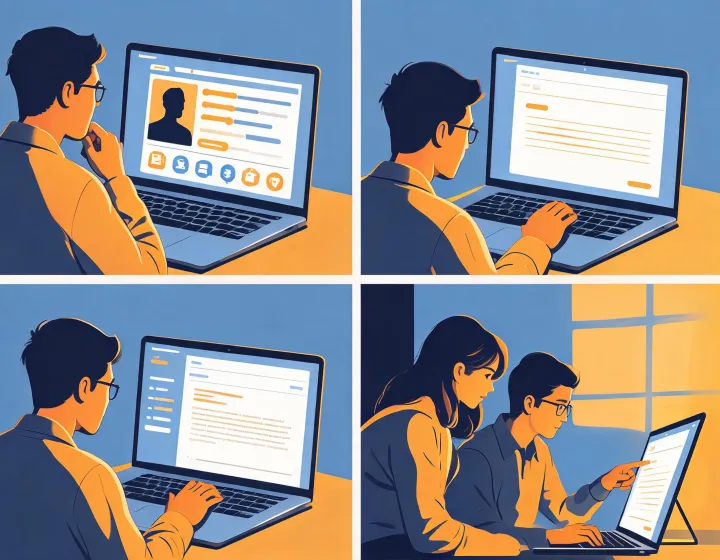
Where should the workflow pause?

Before selecting a person

Confirm the account fits, the role is relevant, identity evidence is current, and the individual is not suppressed.

Before drafting a message

Confirm the signal is public, suitable to mention, timely, and not a sensitive inference. Keep the purpose specific.

Before external action

Review current platform rules, applicable laws, channel permissions, sending infrastructure, frequency, opt-out, and ownership.

From rushed automation to a reviewable playbook

Rushed

  • Broad “find leads” instruction
  • Profile match without provenance
  • Generic message tokens
  • One approval for an entire sequence
  • Success measured as activity volume

Guided

  • Explicit ICP and exclusions
  • Source, checked time, and uncertainty
  • Draft tied to approved evidence
  • Separate gates for target, text, and send
  • Outcomes measured with opt-outs and risk

Install the guide inside your agent

npx -y @okki-global/okki-go-taroball